

In the dynamic landscape of plastic processing, the safety of equipment is not just a feature; it's a necessity. As a leading supplier of plastic dryers, I understand the critical role that safety plays in the day-to-day operations of plastic manufacturing facilities. Modern plastic dryers are equipped with a plethora of safety features that not only protect the operators but also enhance the overall efficiency and longevity of the equipment. This blog post will delve into the key safety features of modern plastic dryers, highlighting how they contribute to a safer and more productive work environment.
Overheat Protection
One of the most fundamental safety features in a modern plastic dryer is overheat protection. Plastic materials are sensitive to temperature, and excessive heat can lead to degradation, which not only affects the quality of the final product but also poses a fire hazard. Modern dryers are equipped with temperature sensors that continuously monitor the internal temperature of the drying chamber. If the temperature exceeds a pre-set limit, the heating system automatically shuts off, preventing overheating.
For instance, in our Raw Plastic Pellets Dryer, advanced thermostats are used to regulate the temperature precisely. These thermostats are calibrated to maintain the optimal drying temperature for different types of plastic pellets, ensuring that the material is dried effectively without being damaged. Additionally, the overheat protection system is designed to be fail-safe, with multiple layers of protection to prevent any potential malfunctions.
Automatic Shut-Off Systems
Automatic shut-off systems are another essential safety feature in modern plastic dryers. These systems are designed to stop the operation of the dryer in case of an emergency or abnormal conditions. For example, if there is a power outage, a blockage in the airflow, or a malfunction in the motor, the dryer will automatically shut off to prevent damage to the equipment and ensure the safety of the operators.
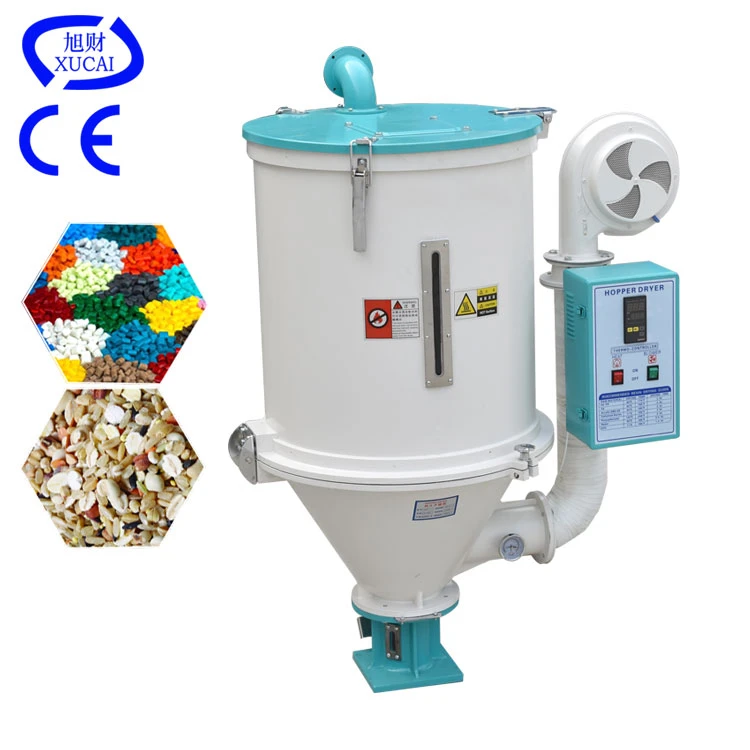

In our Hot Air Plastic Granules Dryer, the automatic shut-off system is integrated with various sensors that monitor the key parameters of the dryer. These sensors include airflow sensors, motor current sensors, and pressure sensors. If any of these sensors detect an abnormal condition, such as a drop in airflow or an increase in motor current, the dryer will immediately stop operating. This not only protects the dryer from damage but also prevents any potential safety hazards, such as fires or explosions.
Safety Interlocks
Safety interlocks are mechanical or electrical devices that prevent the dryer from operating unless certain safety conditions are met. For example, a safety interlock may be installed on the door of the drying chamber to prevent the dryer from starting if the door is open. This ensures that the operators cannot access the hot interior of the dryer while it is in operation, reducing the risk of burns or injuries.
Our Hot Air Plastic Dryer Machine is equipped with multiple safety interlocks to ensure the safety of the operators. In addition to the door interlock, there are also interlocks on the access panels and maintenance hatches. These interlocks are designed to be tamper-proof, with a key or a code required to override them. This ensures that the safety features of the dryer cannot be bypassed, even in cases where the operators may be in a hurry to complete a task.
Explosion-Proof Design
In some industrial environments, there is a risk of explosion due to the presence of flammable gases or dust. Modern plastic dryers are designed to be explosion-proof to prevent any potential accidents. This is achieved by using explosion-proof electrical components, such as motors, switches, and control panels, and by ensuring that the dryer is properly sealed to prevent the ingress of flammable substances.
Our plastic dryers are designed to meet the highest safety standards for explosion-proof applications. The electrical components are certified to be explosion-proof, and the dryer is constructed using materials that are resistant to sparks and flames. Additionally, the airflow system is designed to prevent the accumulation of dust and debris, which can also pose a fire or explosion hazard.
Emergency Stop Buttons
Emergency stop buttons are a crucial safety feature in any industrial equipment, including plastic dryers. These buttons are located in easily accessible locations on the dryer and can be pressed in case of an emergency to immediately stop the operation of the dryer.
In our plastic dryers, the emergency stop buttons are clearly marked and are designed to be easy to press. When the emergency stop button is pressed, all power to the dryer is immediately cut off, and the drying process is stopped. This allows the operators to quickly respond to any emergencies and prevent any potential accidents.
Fire Suppression Systems
Fire suppression systems are used to extinguish fires in the dryer in case of an emergency. These systems can be either automatic or manual, depending on the specific requirements of the application. Automatic fire suppression systems are designed to detect fires quickly and release a fire extinguishing agent, such as water or foam, to suppress the fire.
Our plastic dryers can be equipped with optional fire suppression systems to provide an additional layer of safety. These systems are designed to be highly reliable and are tested to meet the relevant fire safety standards. In the event of a fire, the fire suppression system will automatically activate, minimizing the damage and preventing the fire from spreading.
Air Filtration Systems
Air filtration systems are an important safety feature in modern plastic dryers, as they help to remove dust and other contaminants from the air. These contaminants can not only affect the quality of the dried plastic but also pose a health risk to the operators.
Our plastic dryers are equipped with high-efficiency air filtration systems that are designed to remove a wide range of particles, including dust, smoke, and fumes. These filtration systems are easy to maintain and can be replaced periodically to ensure optimal performance. By removing the contaminants from the air, the air filtration systems help to create a clean and safe working environment.
User-Friendly Controls and Monitoring Systems
Modern plastic dryers are equipped with user-friendly controls and monitoring systems that allow the operators to easily operate and monitor the dryer. These systems provide real-time information about the operation of the dryer, such as temperature, airflow, and pressure, and allow the operators to make adjustments as needed.
The controls are designed to be intuitive and easy to use, with clear instructions and indicators. This reduces the risk of operator error and ensures that the dryer is operated safely and efficiently. Additionally, the monitoring systems can be connected to a central control system or a remote monitoring device, allowing the operators to monitor the dryer from a distance.
Conclusion
In conclusion, modern plastic dryers are equipped with a wide range of safety features that are designed to protect the operators, the equipment, and the environment. These safety features include overheat protection, automatic shut-off systems, safety interlocks, explosion-proof design, emergency stop buttons, fire suppression systems, air filtration systems, and user-friendly controls and monitoring systems.
As a supplier of plastic dryers, we are committed to providing our customers with the highest quality products that meet the strictest safety standards. Our plastic dryers are designed and manufactured using the latest technologies and materials to ensure reliability, efficiency, and safety. If you are in the market for a plastic dryer, we invite you to contact us to discuss your specific requirements and learn more about our products. We look forward to the opportunity to work with you and help you find the perfect plastic dryer for your needs.
References
- ASME Boiler and Pressure Vessel Code
- National Fire Protection Association (NFPA) Standards
- International Electrotechnical Commission (IEC) Standards