

A plastic shredder machine is a crucial piece of equipment in the plastic recycling industry. As a supplier of high - quality plastic shredder machines, I am excited to share with you the working principle of these remarkable devices.
1. Overview of Plastic Shredder Machines
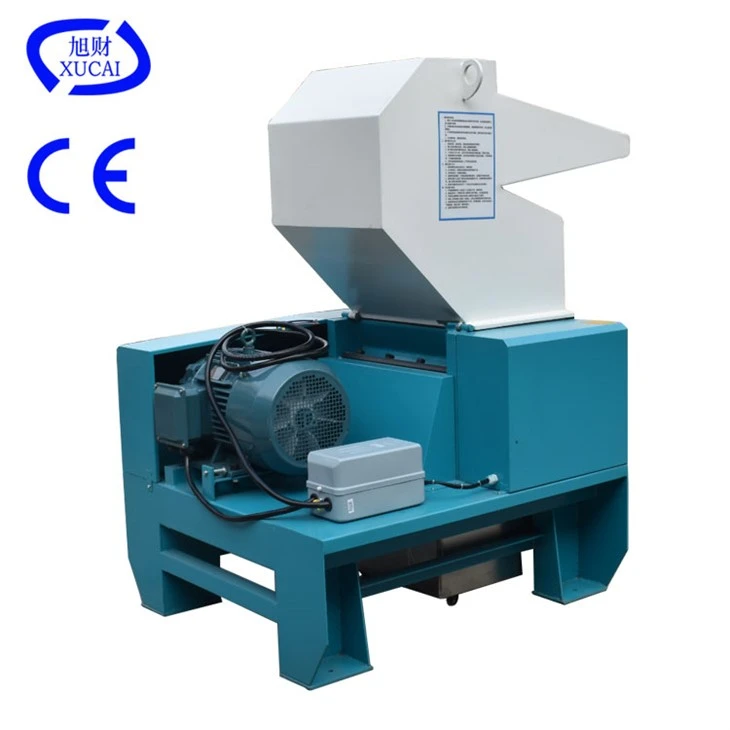
Plastic shredder machines are designed to reduce large plastic materials into smaller pieces. They play a vital role in recycling processes, waste management, and the production of new plastic products. There are different types of plastic shredder machines available in the market, such as Plastic Scrap Shredder Machine, Waste Plastic Shredder Machine, and Plastic Recycling Shredder Machine. Each type is tailored to specific applications and plastic materials.
2. Key Components of a Plastic Shredder Machine
Before delving into the working principle, it's essential to understand the main components of a plastic shredder machine:
- Cutting Chamber: This is the area where the actual shredding process takes place. It is usually made of high - strength steel to withstand the forces generated during shredding.
- Blades: The blades are the most critical part of the shredder. They come in various shapes and sizes, depending on the type of plastic to be shredded. For example, some blades are designed for thick - walled plastics, while others are more suitable for thin - film plastics.
- Motor: The motor provides the power necessary to drive the blades. The power of the motor varies depending on the size and capacity of the shredder.
- Feeding System: This system is responsible for delivering the plastic materials into the cutting chamber. It can be manual or automated, depending on the design of the machine.
- Screen: The screen is located at the bottom of the cutting chamber. It determines the size of the shredded plastic particles. Only particles that are small enough to pass through the screen holes are allowed to exit the machine.
3. The Working Process of a Plastic Shredder Machine
The working process of a plastic shredder machine can be divided into several steps:
- Feeding: The plastic materials, such as plastic bottles, bags, or industrial plastic waste, are first fed into the machine through the feeding system. In manual feeding systems, operators place the plastics into the hopper. In automated systems, conveyors or other mechanical devices transport the plastics to the cutting chamber.
- Shredding: Once the plastic materials enter the cutting chamber, they come into contact with the rotating blades. The blades cut, tear, and break the plastics into smaller pieces. The cutting action is a combination of shearing, crushing, and tearing forces. The design of the blades and their arrangement within the cutting chamber determine the efficiency and quality of the shredding process. For example, some shredders use a single - shaft design, where a single rotating shaft with blades cuts the plastics. Others use a dual - shaft or multi - shaft design, which provides more cutting edges and can handle larger and more complex plastic materials.
- Particle Size Control: As the plastics are shredded, the resulting particles are continuously screened. The screen at the bottom of the cutting chamber ensures that only particles of the desired size can pass through. If the particles are too large, they will be recirculated within the cutting chamber for further shredding until they reach the appropriate size.
- Discharge: Once the plastic particles have passed through the screen, they are discharged from the machine. The discharged particles can then be further processed, such as being melted and re - formed into new plastic products.
4. Factors Affecting the Working Efficiency of a Plastic Shredder Machine
Several factors can affect the working efficiency of a plastic shredder machine:
- Plastic Material Properties: Different types of plastics have different physical and chemical properties. For example, some plastics are more brittle, while others are more flexible. Brittle plastics are generally easier to shred than flexible ones. The thickness, density, and hardness of the plastic also play a role in the shredding process.
- Blade Condition: The sharpness and wear of the blades have a significant impact on the shredding efficiency. Dull blades require more power to cut the plastics and may produce unevenly shredded particles. Regular blade maintenance, such as sharpening or replacement, is necessary to ensure optimal performance.
- Feeding Rate: The rate at which the plastic materials are fed into the machine can affect its efficiency. If the feeding rate is too high, the machine may become overloaded, leading to reduced shredding quality and potential damage to the blades or motor. On the other hand, if the feeding rate is too low, the machine's productivity will be decreased.
- Screen Size: The size of the screen holes determines the final particle size of the shredded plastics. Choosing the appropriate screen size is crucial for meeting the requirements of the subsequent processing steps. A smaller screen size will result in finer particles but may also reduce the throughput of the machine.
5. Safety Considerations in Operating a Plastic Shredder Machine
Operating a plastic shredder machine requires strict adherence to safety regulations:
- Operator Training: Operators should receive comprehensive training on the operation, maintenance, and safety procedures of the shredder machine. They should be familiar with the machine's controls, emergency stop buttons, and safety guards.
- Safety Guards: All moving parts of the machine, such as the blades and motor, should be properly guarded to prevent accidental contact. Safety guards should be in place at all times during operation.
- Electrical Safety: Since the machine is powered by electricity, proper electrical safety measures must be taken. This includes ensuring that the machine is properly grounded, using appropriate electrical cords and connectors, and avoiding water or moisture contact with the electrical components.
- Maintenance and Inspection: Regular maintenance and inspection of the machine are essential to ensure its safe and efficient operation. This includes checking the blade condition, lubricating moving parts, and inspecting the electrical system.
6. Advantages of Using Our Plastic Shredder Machines
As a supplier of plastic shredder machines, we offer several advantages:
- High - Quality Construction: Our machines are built with high - quality materials and advanced manufacturing techniques. The cutting chambers and blades are made of durable steel alloys, ensuring long - term reliability and performance.
- Customizable Design: We understand that different customers have different requirements. That's why we offer customizable plastic shredder machines. We can adjust the blade design, screen size, and other parameters according to the specific needs of our customers.
- Energy Efficiency: Our machines are designed to be energy - efficient. By using advanced motor technology and optimized cutting mechanisms, we can reduce the power consumption of the machines without sacrificing performance.
- Excellent After - Sales Service: We provide comprehensive after - sales service, including installation, training, maintenance, and spare parts supply. Our team of experts is always ready to assist our customers and ensure that their machines operate smoothly.
7. Conclusion and Call to Action
In conclusion, understanding the working principle of a plastic shredder machine is crucial for anyone involved in the plastic recycling industry. Whether you are a waste management company, a plastic recycling plant, or an industrial manufacturer, a high - quality plastic shredder machine can significantly improve your productivity and efficiency.
If you are interested in purchasing a plastic shredder machine or have any questions about our products, please feel free to contact us. We are committed to providing you with the best solutions and helping you achieve your plastic recycling goals.

References
- "Plastic Recycling Technology" - A comprehensive guide on plastic recycling processes and equipment.
- "Industrial Shredding Machines: Design and Operation" - A technical book on the design and working principles of industrial shredding machines.