

As a supplier of plastic crusher machines, I am often asked about the working principle of these essential pieces of equipment. In this blog post, I will delve into the details of how plastic crusher machines operate, exploring the key components and processes involved.
Key Components of a Plastic Crusher Machine
Before we discuss the working principle, it's important to understand the main components of a plastic crusher machine. These typically include:
- Hopper: This is the entry point for the plastic materials. It is designed to hold and feed the plastic into the crushing chamber at a controlled rate.
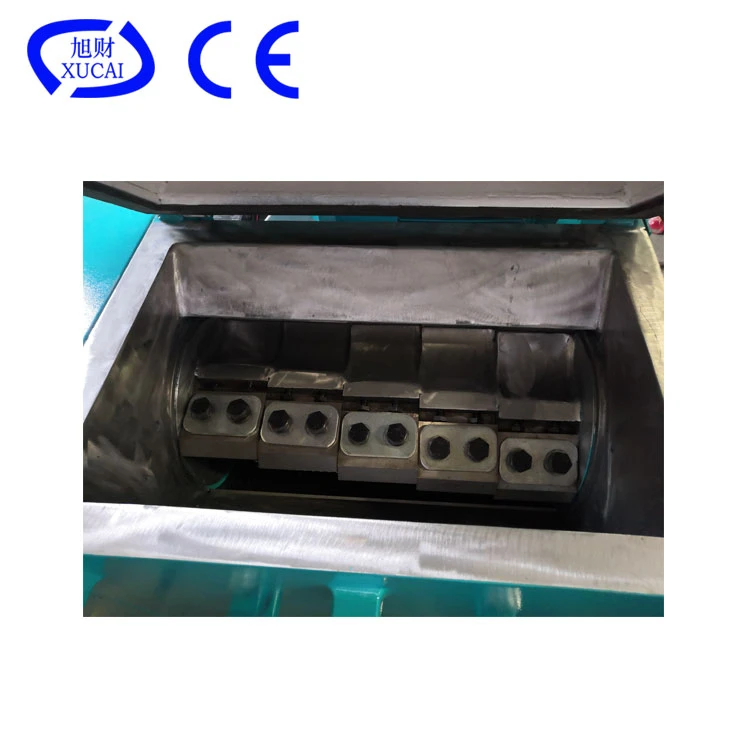
- Cutting Chamber: This is where the actual crushing process takes place. It contains the cutting blades or rotors that break down the plastic into smaller pieces.
- Cutting Blades or Rotors: These are the heart of the crusher. They come in various shapes and sizes, depending on the type of plastic and the desired output size. The blades are usually made of high - quality steel to ensure durability and efficient cutting.
- Motor: The motor provides the power needed to drive the cutting blades or rotors. The power of the motor can vary depending on the size and capacity of the crusher.
- Screen: The screen is located at the bottom of the cutting chamber. It allows the crushed plastic pieces of the desired size to pass through while retaining larger pieces for further crushing.
- Discharge Outlet: Once the plastic has been crushed to the appropriate size, it exits the crusher through the discharge outlet.
The Working Process
The working process of a plastic crusher machine can be divided into several steps:
1. Feeding
The first step is to load the plastic materials into the hopper. The hopper can be designed to accept different forms of plastic, such as plastic bottles, bags, sheets, or even industrial plastic waste. The size and shape of the hopper can be customized to suit the specific needs of the user. Gravity often plays a role in feeding the plastic into the cutting chamber, but in some cases, conveyor belts or other feeding mechanisms may be used to ensure a continuous and controlled supply.
2. Crushing
Once the plastic enters the cutting chamber, the cutting blades or rotors start to work. The blades rotate at high speeds, and as the plastic comes into contact with them, they cut, shear, and tear the plastic into smaller pieces. There are different types of cutting mechanisms:
- Single - Shaft Crushers: In a Single Shaft Plastic Crusher Machine, a single shaft with multiple blades rotates. These blades are arranged in a way that they can effectively break down the plastic. The single - shaft design is suitable for a wide range of plastic materials and is relatively easy to maintain.
- Multi - Shaft Crushers: Multi - shaft crushers have multiple shafts with interlocking blades. This design provides more powerful and precise cutting, making them suitable for tougher and larger plastic materials.
The cutting action is not only about size reduction but also about generating enough heat to soften the plastic slightly, which can make the cutting process more efficient. However, the heat generated needs to be controlled to prevent the plastic from melting or degrading.
3. Screening
After the plastic has been crushed, it falls onto the screen at the bottom of the cutting chamber. The screen has holes of a specific size. Only the crushed plastic pieces that are smaller than the hole size can pass through the screen. Larger pieces are retained in the cutting chamber and continue to be crushed until they reach the desired size. This ensures that the final output of the crusher has a relatively uniform particle size.
4. Discharging
Once the crushed plastic pieces pass through the screen, they exit the crusher through the discharge outlet. The discharged plastic can then be collected in a container or transferred to another processing unit, such as a granulator or a recycling machine.
Factors Affecting the Working Efficiency
Several factors can affect the working efficiency of a plastic crusher machine:
1. Plastic Material Properties
Different types of plastic have different physical and chemical properties. For example, some plastics are more brittle, while others are more flexible. Brittle plastics are generally easier to crush, while flexible plastics may require more powerful cutting mechanisms. The thickness and density of the plastic also play a role. Thicker and denser plastics may need a more powerful motor and sharper blades to be effectively crushed.

2. Blade Design and Condition
The design of the cutting blades is crucial for efficient crushing. Blades with the right shape, sharpness, and arrangement can cut the plastic more effectively. Over time, the blades will wear out, and their cutting performance will decline. Regular maintenance, including blade sharpening and replacement, is necessary to ensure the crusher operates at its best.
3. Screen Size
The size of the screen determines the final particle size of the crushed plastic. Choosing the appropriate screen size is important based on the intended use of the crushed plastic. If the screen size is too small, the crusher may become clogged, reducing its efficiency. If it is too large, the output may contain larger pieces that are not suitable for the next processing step.
4. Feed Rate
The rate at which the plastic is fed into the hopper also affects the working efficiency. If the feed rate is too high, the crusher may not be able to handle all the plastic, leading to overloading and reduced performance. On the other hand, if the feed rate is too low, the crusher may not operate at its full capacity, wasting energy.
Applications of Plastic Crusher Machines
Plastic crusher machines have a wide range of applications in various industries:
- Recycling Industry: One of the most common applications is in plastic recycling. Plastic waste can be crushed into smaller pieces, which can then be melted and re - formed into new plastic products. For example, Waste Polythene Plastic Crusher can process polythene waste, such as plastic bags and films, making them suitable for recycling.
- Manufacturing Industry: In the manufacturing process, plastic scraps and defective products can be crushed and reused. This not only reduces waste but also saves costs. Waste Plastic Crusher Machine can handle different types of waste plastic generated during the manufacturing of plastic parts, such as injection - molded or extruded products.
- Agricultural Industry: Plastic products used in agriculture, such as plastic mulch films and irrigation pipes, can be crushed for recycling or proper disposal.
Conclusion
Understanding the working principle of a plastic crusher machine is essential for anyone involved in the plastic processing or recycling industry. By knowing how these machines work, users can choose the right type of crusher for their needs, optimize its operation, and ensure efficient and effective plastic crushing.
If you are interested in purchasing a plastic crusher machine or have any questions about our products, please feel free to contact us for further discussion. We are committed to providing high - quality plastic crusher machines and excellent customer service to meet your specific requirements.
References
- "Plastic Recycling Technology" - A comprehensive book on plastic recycling processes, including the role of plastic crushers.
- Industry reports on plastic waste management and recycling, which often contain information on the working principles and applications of plastic crusher machines.