

The design of mixing blades plays a crucial role in determining the mixing performance of a plastic mixer machine. As a reputable supplier of plastic mixer machines, I have witnessed firsthand how different blade designs can significantly impact the efficiency, quality, and overall functionality of these machines. In this blog post, I will delve into the various aspects of mixing blade design and explore its effects on the mixing performance of plastic mixer machines.
Understanding the Basics of Mixing in Plastic Processing
Before we discuss the impact of blade design, it's important to understand the fundamental principles of mixing in plastic processing. The primary goal of mixing in this context is to achieve a homogeneous blend of different plastic materials, additives, and pigments. This process ensures that the final product has consistent properties, such as color, strength, and texture.
There are two main types of mixing in plastic processing: distributive mixing and dispersive mixing. Distributive mixing involves the uniform distribution of components throughout the mixture, while dispersive mixing focuses on breaking down agglomerates and achieving a fine dispersion of additives. A well-designed mixing blade should be capable of performing both types of mixing effectively.
Key Factors in Mixing Blade Design
Several factors influence the design of mixing blades for plastic mixer machines. These include blade shape, size, pitch, and the number of blades. Each of these factors can have a significant impact on the mixing performance of the machine.
Blade Shape
The shape of the mixing blade is one of the most important factors in determining its mixing efficiency. Common blade shapes include paddle, helical, and turbine blades. Paddle blades are simple and effective for distributive mixing, as they move the material in a circular motion. Helical blades, on the other hand, are better suited for dispersive mixing, as they create a strong axial flow that helps to break down agglomerates. Turbine blades are designed to generate high shear forces, which are ideal for mixing viscous materials.
Blade Size
The size of the mixing blade also plays a crucial role in the mixing process. Larger blades can cover a greater area and move more material, which can increase the mixing efficiency. However, larger blades may also require more power to operate, which can increase the energy consumption of the machine. Therefore, it's important to choose the right blade size based on the capacity and requirements of the plastic mixer machine.
Blade Pitch
The pitch of the mixing blade refers to the angle at which the blade is set relative to the axis of rotation. A higher pitch angle can create a stronger axial flow, which is beneficial for dispersive mixing. However, a very high pitch angle may also cause the material to be thrown out of the mixing chamber, reducing the mixing efficiency. Therefore, the blade pitch should be carefully selected to achieve the optimal balance between axial and radial flow.
Number of Blades
The number of blades on the mixing shaft can also affect the mixing performance. More blades can provide more contact points with the material, which can improve the mixing efficiency. However, too many blades can also increase the resistance and power consumption of the machine. Therefore, the number of blades should be determined based on the specific requirements of the mixing process.
Effects of Mixing Blade Design on Mixing Performance
The design of the mixing blade can have a profound impact on the mixing performance of a plastic mixer machine. Here are some of the key effects:
Mixing Efficiency
A well-designed mixing blade can significantly improve the mixing efficiency of the machine. By creating a strong and uniform flow of material, the blade can ensure that all components are evenly distributed throughout the mixture in a shorter amount of time. This can reduce the mixing time and increase the productivity of the plastic processing operation.
Homogeneity of the Mixture
The design of the mixing blade also affects the homogeneity of the final mixture. A blade that is capable of performing both distributive and dispersive mixing effectively can ensure that the plastic materials, additives, and pigments are thoroughly blended, resulting in a more uniform product. This is particularly important for applications where consistent product quality is required, such as in the production of high-quality plastic products.
Shear Force Generation
The ability of the mixing blade to generate shear forces is crucial for dispersive mixing. Shear forces help to break down agglomerates and achieve a fine dispersion of additives in the plastic matrix. A blade with a suitable shape and pitch can generate the required shear forces without causing excessive degradation of the plastic material.
Energy Consumption
The design of the mixing blade can also impact the energy consumption of the plastic mixer machine. A blade that is designed to operate efficiently can reduce the power requirements of the machine, resulting in lower energy costs. For example, a blade with an optimal shape and size can minimize the resistance and turbulence in the mixing chamber, allowing the machine to operate more smoothly and consume less energy.
Case Studies: Impact of Different Blade Designs
To illustrate the effects of mixing blade design on mixing performance, let's consider some case studies.
Case Study 1: Paddle Blades vs. Helical Blades
In a plastic mixing operation, a company was using a mixer with paddle blades to blend plastic materials and additives. The mixing time was relatively long, and the homogeneity of the mixture was not satisfactory. After replacing the paddle blades with helical blades, the mixing time was reduced by 30%, and the homogeneity of the mixture was significantly improved. This was because the helical blades created a stronger axial flow, which helped to break down the agglomerates and distribute the additives more evenly.
Case Study 2: Different Blade Sizes
Another company was using a plastic mixer machine with a set of small blades. The mixing efficiency was low, and the machine had to run for a longer time to achieve the desired level of mixing. By increasing the size of the blades, the mixing efficiency was improved, and the mixing time was reduced by 20%. The larger blades were able to move more material and cover a greater area, resulting in a more efficient mixing process.
Conclusion
In conclusion, the design of the mixing blade is a critical factor in determining the mixing performance of a plastic mixer machine. By carefully considering the shape, size, pitch, and number of blades, manufacturers can optimize the design of the mixing blade to achieve the best possible mixing results. A well-designed mixing blade can improve the mixing efficiency, homogeneity of the mixture, shear force generation, and energy consumption of the plastic mixer machine.
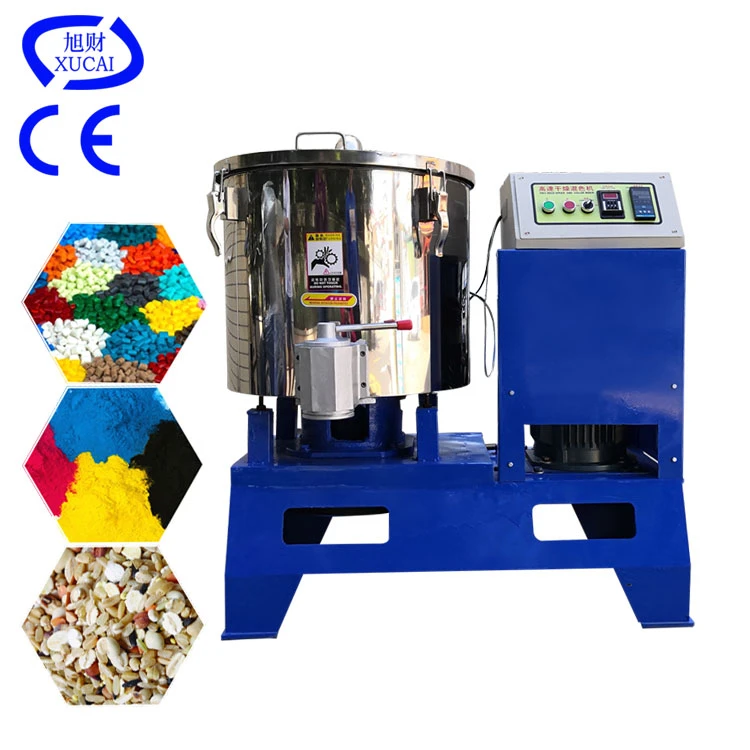
As a supplier of Plastic Colour Mixer Machine, Plastic Masterbatch Mixer Machine, and High Speed Plastic Mixer Drying Machine, we understand the importance of providing high-quality mixing blades that are designed to meet the specific needs of our customers. Our team of experts can work with you to select the right blade design for your plastic processing operation, ensuring that you achieve the best possible mixing performance and product quality.
If you are interested in learning more about our plastic mixer machines or discussing your specific mixing requirements, please feel free to contact us. We look forward to the opportunity to work with you and help you optimize your plastic processing operations.

References
- "Plastic Mixing Technology" by X. Feng and Y. Li
- "Mixing in Polymer Processing" by R. Tadmor and C. G. Gogos
- "Handbook of Plastic Mixing and Compounding" by J. Vlachopoulos