

Dust emission from machinery is a crucial environmental and occupational health concern, especially in industrial settings. As a leading supplier of plastic shredder machines, we understand the significance of discussing dust emissions in relation to our products. In this blog post, we will delve into what dust emission of a plastic shredder machine is, its causes, potential impacts, and how we at our company address this issue to provide environmentally - friendly and user - safe equipment.
Understanding Dust Emission of a Plastic Shredder Machine
Dust emission from a plastic shredder machine refers to the release of small particles of plastic, dust, and sometimes other contaminants into the surrounding air during the shredding process. When a plastic shredder Plastic Scrap Shredder Machine chops up plastic materials, it creates friction between the blades and the plastic. This friction can cause some plastic material to break down into fine particles, which then become airborne.
During the shredding operation, plastic waste may come with attached dirt, debris, or other foreign substances. As the plastic is shredded, these particles can also be dislodged and released into the air along with the plastic dust. The size of these dust particles can vary significantly, ranging from relatively large visible fragments to extremely fine particles that are invisible to the naked eye.
Causes of Dust Emission
There are several factors that contribute to dust emission in plastic shredder machines. Firstly, the type of plastic being shredded plays a significant role. Some plastics, such as brittle plastics like polystyrene, are more likely to generate dust during the shredding process. These plastics tend to shatter easily, producing a large number of small particles.
The design and condition of the shredder also impact dust emission. A poorly maintained shredder with dull blades may not cut the plastic cleanly. Instead, it may tear or grind the plastic, resulting in more dust generation. Additionally, the level of air circulation within the shredding chamber can affect dust release. If there is insufficient ventilation to carry the dust away in a controlled manner, it can accumulate and eventually escape into the surrounding environment.
The feed rate of plastic into the shredder is another essential factor. Overloading the shredder by feeding in too much plastic at once can cause the machine to work harder, leading to increased friction and dust production. On the other hand, feeding plastic at a steady, appropriate rate can help minimize dust generation.
Potential Impacts of Dust Emission
The dust emission from plastic shredder machines can have both environmental and health - related impacts. From an environmental perspective, plastic dust can contribute to air pollution. When these tiny particles are released into the atmosphere, they can be carried by wind currents over long distances. This can lead to the spread of plastic pollution in various ecosystems, including soil, water bodies, and even the air we breathe.
In the long - term, plastic dust can accumulate in soil, affecting soil fertility and disrupting the natural habitat of plants and small organisms. In water bodies, it can be ingested by aquatic life, causing harm to fish, birds, and other aquatic organisms.
From an occupational health perspective, workers exposed to plastic dust in the workplace are at risk of various health problems. Inhalation of plastic dust can cause respiratory issues, such as irritation of the nose, throat, and lungs. In severe cases, long - term exposure to high levels of plastic dust may lead to more serious conditions like pneumoconiosis, a lung disease caused by the inhalation of dust particles.
How Our Company Addresses Dust Emission
At our company, we take dust emission from our Waste Plastic Shredder Machine seriously and have implemented several measures to minimize it.
Firstly, we focus on the design and engineering of our shredders. Our machines are equipped with state - of - the - art blade designs that ensure a clean and efficient cut of the plastic. Sharp blades reduce the amount of grinding and tearing, thereby minimizing dust generation. We also optimize the air circulation within the shredding chamber. Our shredders are designed with ventilation systems that can capture and contain dust particles during the shredding process. These ventilation systems are connected to dust collection devices, which can effectively filter and collect the dust before it is released into the environment.
We also provide comprehensive training to our customers on the proper operation of our shredders. This includes guidance on the appropriate feed rate of plastic into the machine. By following our recommended operating procedures, customers can ensure that the shredder operates at its optimal performance, reducing dust emission.
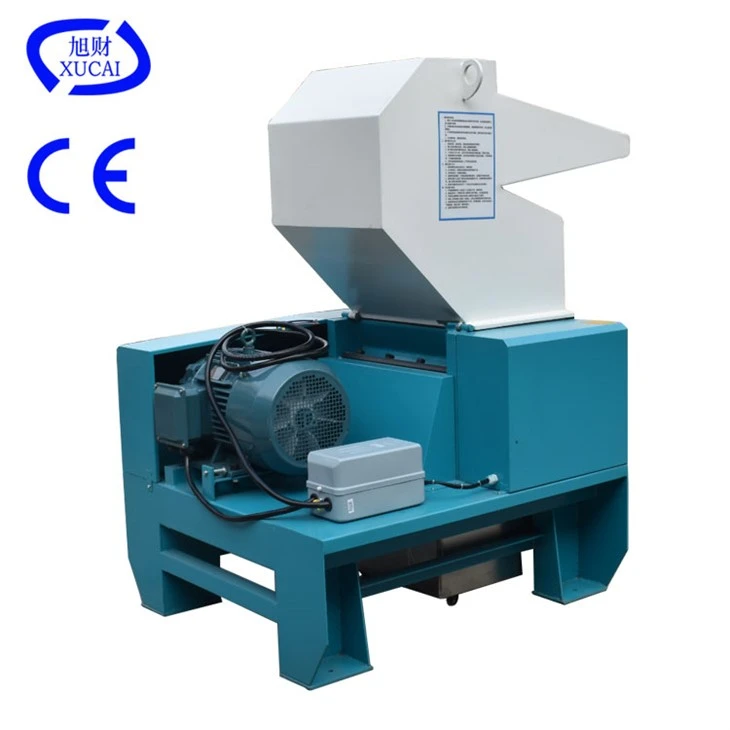

In addition, we constantly research and develop new technologies to further reduce dust emission. For example, we are exploring the use of anti - static materials in our shredders to prevent dust from sticking to the machine components and being released during operation.
Importance of Proper Dust Management
Proper dust management in plastic shredding operations is not only crucial for environmental protection and worker health but also for the efficient operation of the shredder. Excessive dust can cause wear and tear on the machine components, such as the blades and bearings. By reducing dust emission, we can extend the lifespan of our Plastic Recycling Shredder Machine and reduce maintenance costs for our customers.
Moreover, in an era of increasing environmental regulations, companies that fail to manage dust emission properly may face legal penalties. By choosing our plastic shredder machines, which are designed with advanced dust management features, customers can ensure compliance with environmental regulations and avoid potential legal issues.
Conclusion
In conclusion, dust emission from a plastic shredder machine is a complex issue that has significant environmental and health implications. As a leading supplier of plastic shredder machines, we at our company are committed to providing solutions that minimize dust emission. Our innovative machine designs, comprehensive training, and continuous research and development efforts ensure that our customers can enjoy efficient and environmentally - friendly plastic shredding operations.
If you are looking for a high - quality plastic shredder machine that prioritizes dust management and environmental protection, we encourage you to reach out to us. Our team of experts is always ready to assist you in selecting the most suitable machine for your needs and to provide you with all the necessary support. Contact us today to start a fruitful business discussion and take a step towards more sustainable plastic recycling.
References
- Smith, J. (2020). Environmental Impacts of Plastic Shredding. Journal of Industrial Pollution Control, 36(2), 123 - 135.
- Johnson, A. (2019). Occupational Health Risks Associated with Plastic Dust Exposure. International Journal of Occupational Safety and Health, 25(3), 210 - 221.
- Brown, C. (2021). Advances in Dust Management Technologies for Plastic Shredder Machines. Proceedings of the International Conference on Industrial Machinery, 45 - 52.