

Vacuum auto loaders are innovative pieces of equipment that have revolutionized the way materials are transported and handled in various industries. As a supplier of vacuum auto loaders, I have witnessed firsthand the diverse applications and benefits these machines offer. In this blog post, I will explore the industries that commonly use vacuum auto loaders and discuss how they enhance efficiency and productivity.
Plastics Industry
The plastics industry is one of the primary users of vacuum auto loaders. In plastic manufacturing processes, raw plastic resins need to be transferred from storage containers to processing equipment such as injection molding machines, extruders, and blow molding machines. Vacuum auto loaders provide a clean, efficient, and automated solution for this task.
For example, Plastic Resin Vacuum Auto Loader can handle different types of plastic resins, including pellets, granules, and powders. These loaders use a vacuum system to create a negative pressure, which sucks the plastic material from the storage hopper into the processing machine. This not only reduces the risk of contamination but also ensures a consistent flow of material, resulting in high - quality plastic products.
The automation provided by vacuum auto loaders also helps in reducing labor costs. Instead of manually transferring the plastic resin, workers can focus on other important tasks, such as machine operation and quality control. Additionally, the precise control of material feeding helps in minimizing waste, as only the required amount of resin is transferred to the processing equipment.
Food and Beverage Industry
In the food and beverage industry, hygiene and product quality are of utmost importance. Vacuum auto loaders play a crucial role in ensuring the safe and efficient transfer of ingredients such as grains, sugar, flour, and spices.
Vacuum Auto Hopper Loader can be used to transfer these dry ingredients from storage silos to mixing and processing equipment. The enclosed system of the vacuum loader prevents the ingress of dust and contaminants, which is essential for maintaining the quality and safety of food products.
Moreover, vacuum auto loaders can be designed to meet strict food safety standards. They are often made of food - grade materials and can be easily cleaned and sanitized. This helps in preventing cross - contamination between different batches of products. The ability to precisely control the amount of ingredient transferred also ensures consistent product quality, which is vital for consumer satisfaction.
Pharmaceutical Industry
The pharmaceutical industry has extremely high standards for product quality, purity, and safety. Vacuum auto loaders are used to transfer raw materials, active pharmaceutical ingredients (APIs), and excipients from storage containers to processing equipment such as tablet presses, capsule fillers, and granulators.
The vacuum transfer process in these loaders minimizes the risk of dust generation and exposure to potentially harmful substances. This is crucial for protecting the health of workers and ensuring the integrity of the pharmaceutical products. The precise control of material feeding also helps in maintaining the correct dosage of APIs in the final products.
In addition, vacuum auto loaders can be integrated with other pharmaceutical manufacturing systems, such as material handling and inventory management systems. This allows for seamless and efficient production processes, reducing the chances of errors and improving overall productivity.
Chemical Industry
The chemical industry deals with a wide range of materials, including powders, granules, and liquids. Vacuum auto loaders are used to transfer these chemicals safely and efficiently from storage tanks or drums to reactors, mixers, and other processing equipment.
The enclosed nature of vacuum auto loaders helps in containing hazardous chemicals and preventing spills and leaks. This is essential for protecting the environment and the health of workers. The ability to handle different types of chemicals, from corrosive acids to flammable solvents, makes vacuum auto loaders a versatile solution for the chemical industry.
Furthermore, the automation provided by these loaders allows for more accurate and consistent chemical dosing. This is important for ensuring the quality and performance of chemical products, as well as for meeting regulatory requirements.
Wood Pellet Industry
The wood pellet industry has seen significant growth in recent years, as wood pellets are a popular renewable energy source. Wood Pellets Hopper Loader are used to transfer wood pellets from storage bins to boilers, stoves, and other heating systems.
Vacuum auto loaders in the wood pellet industry offer a convenient and efficient way to handle the pellets. They can transport the pellets over long distances and to different heights, which is useful in large - scale heating applications. The enclosed system also helps in preventing dust emissions, which is beneficial for both the environment and the health of workers.
The automation of the loading process reduces the need for manual labor, making the operation more cost - effective. Additionally, the precise control of pellet feeding ensures a consistent heat output, which is important for the efficient operation of heating systems.
Conclusion
In conclusion, vacuum auto loaders are widely used in a variety of industries, including plastics, food and beverage, pharmaceutical, chemical, and wood pellet industries. These loaders offer numerous benefits, such as increased efficiency, improved product quality, reduced labor costs, and enhanced safety.

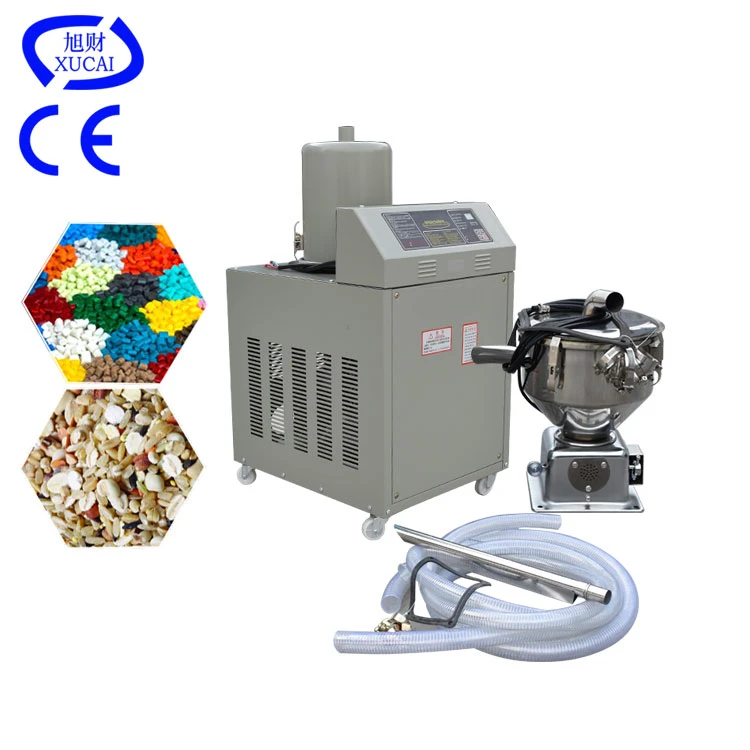
As a supplier of vacuum auto loaders, I am committed to providing high - quality, reliable, and innovative solutions to meet the diverse needs of these industries. If you are looking for a vacuum auto loader for your business, I encourage you to contact me for a detailed discussion about your requirements. We can work together to find the best solution that will help you improve your production processes and achieve your business goals.
References
- "Industrial Vacuum Conveying Systems: Principles and Applications" - A technical guide on vacuum conveying technology.
- "Food and Beverage Processing Equipment Handbook" - Provides insights into the use of equipment in the food and beverage industry.
- "Plastics Processing Technology" - Covers the various aspects of plastic manufacturing, including material handling.
- "Pharmaceutical Manufacturing Processes" - Discusses the requirements and best practices in pharmaceutical production.
- "Chemical Engineering Handbook" - Offers information on chemical processing and material handling.
- "Renewable Energy Technologies: Wood Pellets" - Details the production and use of wood pellets as an energy source.