

As a supplier of plastic mixer machines, I understand the critical importance of pre - startup inspections for these essential pieces of equipment. A thorough inspection before starting a plastic mixer machine can prevent breakdowns, ensure product quality, and most importantly, guarantee the safety of operators. In this blog, I'll walk you through the key inspection items that should be carried out before firing up a plastic mixer machine.
1. Visual Inspection
Machine Structure
First and foremost, conduct a comprehensive visual inspection of the machine's structure. Check for any signs of physical damage such as cracks, dents, or loose parts on the frame, body, and housing of the mixer. These structural issues can compromise the stability and safety of the machine during operation. For example, a crack in the frame may lead to misalignment of internal components, causing excessive vibration and potentially damaging the mixer over time.
Mixing Chamber
Inspect the mixing chamber carefully. Look for any debris, leftover plastic materials, or foreign objects that may have accumulated inside. Residual plastic can affect the quality of the new batch being mixed and may also cause blockages in the mixing mechanism. Clean the mixing chamber thoroughly if any debris is found. Also, check the integrity of the chamber walls for signs of wear or corrosion, as this can impact the durability of the mixer.
Drive System
Examine the drive system, which typically includes belts, chains, and gears. Check the belts for signs of wear, such as fraying, cracking, or stretching. Loose or worn - out belts can slip, resulting in inconsistent mixing speeds and reduced efficiency. Chains should be inspected for proper tension and any signs of rust or damage. Gears should be free from chips or excessive wear, as damaged gears can lead to mechanical failures and noisy operation.
2. Electrical System Inspection
Power Supply
Verify that the power supply to the plastic mixer machine is stable and matches the machine's electrical requirements. Check the voltage and frequency to ensure they are within the specified range. An unstable power supply can cause the motor to overheat, damage electrical components, and even pose a safety hazard. Use a multimeter to measure the voltage at the power source if necessary.
Electrical Wiring
Inspect all the electrical wiring for any signs of damage, such as exposed wires, loose connections, or burned insulation. Damaged wiring can lead to short circuits, electrical shocks, or fires. Tighten any loose connections and replace any damaged wiring immediately. It's also important to ensure that the wiring is properly routed and secured to prevent it from getting caught in moving parts.
Control Panel
Check the control panel for proper functioning. All the switches, buttons, and indicators should work correctly. Test each function on the control panel, such as starting and stopping the mixer, adjusting the speed, and setting the mixing time. If any of the controls are not working properly, it could indicate a problem with the control system or electrical components.
3. Lubrication System Inspection
Lubricant Levels
Many plastic mixer machines have a lubrication system to reduce friction and wear on moving parts. Check the lubricant levels in the appropriate reservoirs. Low lubricant levels can cause excessive heat generation and premature wear of bearings, gears, and other moving components. Top up the lubricant if necessary, using the recommended type of lubricant specified in the machine's manual.
Lubrication Points
Inspect all the lubrication points on the machine. Make sure that the lubricant is being distributed evenly to all the necessary parts. Some machines may have automatic lubrication systems, while others require manual lubrication. Follow the manufacturer's instructions for lubrication intervals and procedures.
4. Safety Devices Inspection
Emergency Stop Button
The emergency stop button is a crucial safety feature on a plastic mixer machine. Test the emergency stop button to ensure it functions properly. Press the button to stop the machine immediately and then reset it to start the machine again. A malfunctioning emergency stop button can put operators at risk in case of an emergency.
Safety Guards
Check all the safety guards on the machine. These guards are designed to prevent operators from coming into contact with moving parts, such as the mixing blades or the drive system. Ensure that the guards are in place, properly installed, and not damaged. Any missing or damaged safety guards should be replaced or repaired before starting the machine.

Overload Protection
Verify that the overload protection device is working correctly. This device is designed to shut off the machine automatically if the motor is overloaded, preventing damage to the motor and other components. You can test the overload protection by gradually increasing the load on the machine within a safe range and observing if the machine shuts off when the overload limit is reached.
5. Mixing Tools Inspection
Mixing Blades
Inspect the mixing blades for any signs of damage, such as bending, chipping, or excessive wear. The mixing blades are responsible for blending the plastic materials evenly, and damaged blades can result in poor mixing quality. Check the alignment of the blades to ensure they are properly positioned and rotating smoothly. If the blades are damaged, they should be replaced to maintain optimal mixing performance.
Agitator
The agitator, if present, should also be inspected. Similar to the mixing blades, check for any physical damage and proper alignment. The agitator helps to improve the mixing efficiency by creating a more turbulent flow within the mixing chamber. Ensure that the agitator is rotating freely and is not obstructed by any objects.
6. Cooling System Inspection (if applicable)
Some plastic mixer machines may have a cooling system to prevent the motor or other components from overheating. If your machine has a cooling system, check the coolant levels and the condition of the cooling pipes. Low coolant levels can cause the components to overheat, leading to reduced performance and potential damage. Inspect the cooling fan for proper operation and ensure that the air intake and exhaust vents are not blocked.
7. Software and Programming (for automated machines)
If your plastic mixer machine is automated and controlled by software, check the programming settings. Ensure that the mixing parameters, such as mixing time, speed, and temperature (if applicable), are set correctly. Incorrect programming can result in inconsistent mixing results and wasted materials. Also, check for any software errors or glitches by running a test program.
By performing these comprehensive pre - startup inspections, you can ensure that your plastic mixer machine operates safely and efficiently. Regular inspections not only extend the lifespan of the machine but also contribute to the production of high - quality plastic products.
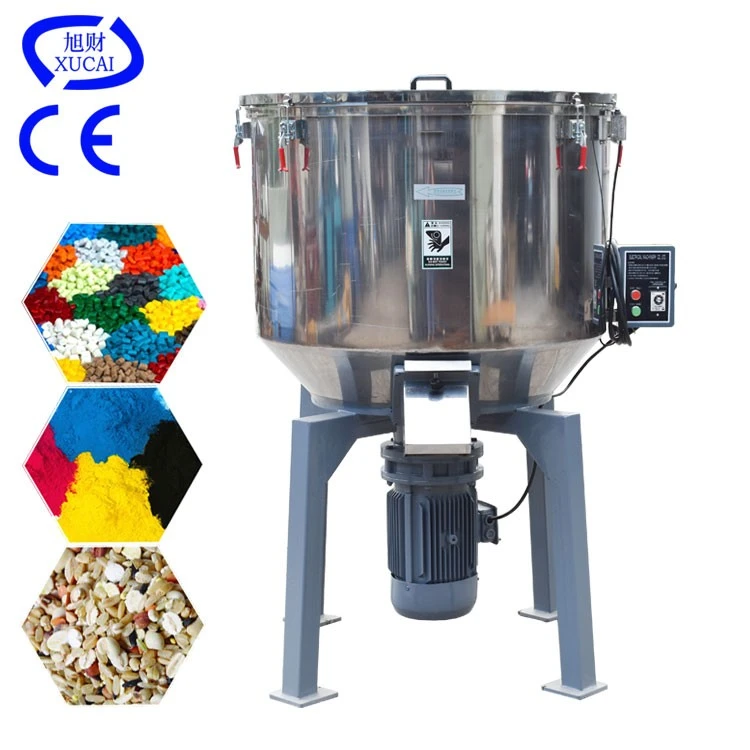
At our company, we offer a wide range of plastic mixer machines, including the Stainless Steel Vertical Plastic Mixer Machine, Plastic Material Mixer Machine, and Vertical Plastic Granules Mixer. Our machines are designed with high - quality materials and advanced technology to meet your specific mixing needs.
If you're interested in purchasing a plastic mixer machine or have any questions about our products, we encourage you to contact us for a detailed discussion. Our team of experts is ready to assist you in finding the perfect solution for your plastic mixing requirements.
References
- Plastic Machinery Handbook, Various Industry Publications
- Manufacturer's Manuals for Plastic Mixer Machines