

Transporting a plastic mixer machine requires careful planning and execution to ensure the equipment arrives at its destination safely and in optimal condition. As a trusted plastic mixer machine supplier, we understand the importance of a smooth transportation process. In this blog, we will share valuable insights and practical tips on how to transport a plastic mixer machine effectively.
Pre - transportation Preparation
1. Inspection and Maintenance
Before transportation, it is crucial to conduct a thorough inspection of the plastic mixer machine. Check for any loose parts, damaged components, or signs of wear and tear. Tighten all bolts and fasteners, and lubricate moving parts if necessary. This preventive maintenance will reduce the risk of damage during transit. For example, a loose bolt could come off during the jolts of transportation and cause internal damage to the machine.
2. Documentation
Gather all the necessary documentation related to the plastic mixer machine. This includes the user manual, warranty information, and any certificates of compliance. Having these documents on hand will make it easier for the recipient to set up and operate the machine correctly. It also provides proof of the machine's origin and specifications.
3. Disassembly (if required)
Some plastic mixer machines may be too large or bulky to transport in one piece. In such cases, it may be necessary to disassemble the machine into smaller, more manageable parts. However, this should be done with extreme care. Label each part clearly to ensure easy reassembly at the destination. For instance, you can use numbered stickers or tags on each component. Refer to the machine's user manual for specific disassembly instructions.
Packaging
1. Selecting the Right Packaging Materials
Choose high - quality packaging materials that can protect the plastic mixer machine from physical damage, moisture, and dust. Heavy - duty wooden crates are often a good choice for larger machines. They provide strong structural support and can withstand the rigors of transportation. For smaller parts, use bubble wrap, foam inserts, or corrugated cardboard boxes.
2. Padding and Cushioning
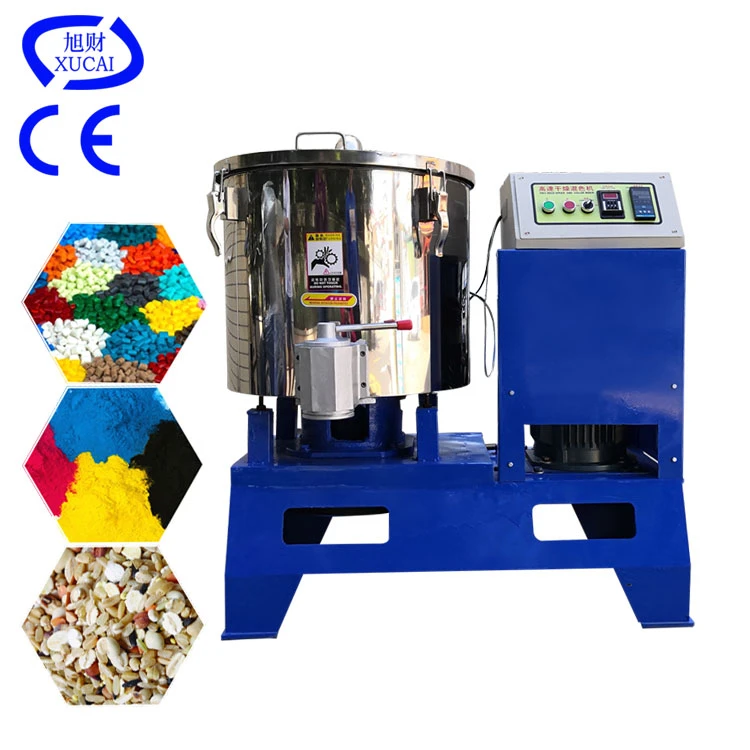
Line the inside of the packaging with padding materials such as foam or rubber. This will absorb shocks and vibrations during transit. Place the machine or its parts in the center of the crate or box and fill any empty spaces with additional padding to prevent movement. For example, if you are transporting a Plastic Colour Mixer Machine, ensure that all the delicate control panels and mixing blades are well - cushioned.
3. Sealing the Packaging
Once the machine is properly packed, seal the packaging securely. Use strong adhesive tape for boxes and nails or screws for wooden crates. Make sure the packaging is airtight to prevent moisture from entering.
Choosing a Transportation Method
1. Road Transportation
Road transportation is a common choice for transporting plastic mixer machines, especially for local or regional deliveries. It offers flexibility in terms of pick - up and delivery locations. However, it is important to choose a reliable transportation company with experience in handling heavy machinery. Ensure that the truck has a flatbed or a suitable trailer to accommodate the size and weight of the machine.
2. Rail Transportation
For long - distance domestic shipments, rail transportation can be a cost - effective option. Railways can handle large and heavy loads efficiently. But, there may be limitations in terms of pick - up and delivery points. You may need to arrange for additional road transportation at both ends of the journey.
3. Sea Transportation
If you are exporting a plastic mixer machine, sea transportation is often the most economical choice for large - scale shipments. However, it has a longer transit time. When shipping by sea, ensure that the packaging is designed to withstand the harsh marine environment. The machine should be loaded into a shipping container and secured properly to prevent movement during the voyage.
4. Air Transportation
Air transportation is the fastest option but also the most expensive. It is suitable for urgent deliveries or when transporting small and lightweight plastic mixer machines. When choosing air transportation, make sure the packaging meets the airline's requirements.
Loading and Unloading
1. Loading
During the loading process, use appropriate lifting equipment such as cranes or forklifts. Ensure that the machine is lifted and placed onto the transportation vehicle carefully. The loading team should be trained to handle heavy machinery to avoid accidents and damage.
2. Securing the Machine
Once the machine is loaded, secure it firmly to the transportation vehicle. Use straps, chains, or ropes to prevent it from shifting during transit. Check the tightness of the securing devices regularly during the journey.
3. Unloading
At the destination, follow the same careful procedures for unloading. Make sure the unloading area is flat and stable. If the machine was disassembled, start the reassembly process immediately after unloading, following the labeled parts and the user manual.
Insurance
It is highly recommended to purchase insurance for the plastic mixer machine during transportation. This will protect you from financial losses in case of damage or loss during transit. Work with a reputable insurance provider who has experience in insuring heavy machinery.
Tracking and Communication
1. Tracking
Use the transportation company's tracking system to monitor the progress of the shipment. This will allow you to keep your customers informed about the estimated arrival time of the plastic mixer machine.

2. Communication
Maintain open communication with the transportation company and the customer. If there are any delays or issues during transportation, inform the customer promptly and work together to find a solution.
Conclusion
Transporting a plastic mixer machine is a complex process that requires attention to detail at every step. By following the steps outlined in this blog, you can ensure that your plastic mixer machine, whether it is a Plastic Pellets Mixer Machine or a High Speed Plastic Mixer Drying Machine, arrives at its destination safely and in perfect working condition.
If you are in the market for a high - quality plastic mixer machine or need further advice on transportation, we are here to help. Our team of experts can provide you with detailed information and support to meet your specific requirements. Contact us today to start a discussion about your plastic mixer machine needs.
References
- Industry standards for packaging and transportation of heavy machinery
- User manuals of various plastic mixer machines
- Guidelines from transportation companies and insurance providers