

As a supplier of vibrating screen sieves, I've witnessed firsthand the diverse challenges and environments these machines operate in. One particular condition that often raises questions is low - temperature environments. In this blog, I'll delve into how a vibrating screen sieve performs in such conditions, discussing both the challenges and potential solutions.
The Basics of Vibrating Screen Sieves
Before we explore low - temperature performance, let's briefly understand what a vibrating screen sieve is. A vibrating screen sieve, such as the Vibrating Screen Sieve, is a machine used to separate materials of different sizes. It works by vibrating the screen, causing smaller particles to pass through the openings while larger ones remain on the surface. This process is widely used in industries like mining, agriculture, food processing, and chemical manufacturing.
Challenges in Low - Temperature Environments
1. Material Viscosity Changes
At low temperatures, many materials become more viscous. For example, in the food industry, substances like honey or molasses can thicken significantly in cold conditions. This increased viscosity makes it more difficult for the material to flow through the sieve openings. As a result, the sieving efficiency decreases, and there may be a higher chance of blockages. The vibrating screen sieve has to work harder to overcome the resistance of the thickened material, which can lead to increased wear and tear on the machine.
2. Lubrication Issues
Vibrating screen sieves rely on lubricants to ensure smooth operation of moving parts such as bearings and motors. In low - temperature environments, the viscosity of lubricants increases. This can lead to poor lubrication, as the thickened lubricant may not reach all the necessary parts effectively. Insufficient lubrication can cause increased friction, which in turn can lead to overheating, premature wear of components, and even mechanical failures.
3. Structural Integrity
Cold temperatures can also affect the structural integrity of the vibrating screen sieve. Materials like metal can become more brittle in low - temperature conditions. This means that the sieve frame and other components are more prone to cracking or breaking under the stress of vibration. Even small cracks can compromise the performance of the machine and may eventually lead to complete failure if not addressed promptly.
4. Electrical Component Performance
Many vibrating screen sieves are equipped with electrical components such as motors and control systems. Low temperatures can have a negative impact on the performance of these electrical parts. Batteries may have reduced capacity, and electronic circuits may experience slower response times. In extreme cases, cold temperatures can cause electrical insulation to become less effective, increasing the risk of short - circuits and electrical failures.
Performance Metrics Affected
1. Throughput
As mentioned earlier, the increased viscosity of materials and potential blockages in low - temperature environments lead to a decrease in throughput. The sieve can process less material per unit of time, which can be a significant issue for industries with high - volume production requirements. For example, in a mining operation, a reduced throughput can mean lower production rates and potentially lost revenue.
2. Separation Efficiency
The ability of the vibrating screen sieve to separate materials accurately is also affected. With the increased viscosity of materials, there is a higher chance of misclassification. Smaller particles may not pass through the sieve as easily, while larger particles may get trapped in the openings, leading to a less precise separation. This can be a problem in industries where product quality depends on accurate sieving, such as the pharmaceutical industry.
3. Machine Lifespan
The combination of increased wear and tear on components, potential structural damage, and electrical issues can significantly reduce the lifespan of the vibrating screen sieve. Frequent breakdowns and the need for more extensive repairs can add up to substantial costs over time.
Solutions for Optimal Performance in Low - Temperature Environments
1. Material Pre - treatment
One way to overcome the issue of increased material viscosity is to pre - treat the material before sieving. This can involve heating the material to a more suitable temperature to reduce its viscosity. In some cases, adding solvents or other agents to the material can also help to improve its flow properties. For example, in the chemical industry, diluting a thick chemical solution can make it easier to sieve.
2. Special Lubricants
Using special low - temperature lubricants can address the lubrication issues. These lubricants are formulated to maintain their fluidity at lower temperatures, ensuring proper lubrication of moving parts. Regular monitoring of lubricant levels and quality is also essential to ensure optimal performance.
3. Structural Reinforcement
To improve the structural integrity of the vibrating screen sieve in low - temperature environments, the sieve can be designed with reinforced frames and components. Using materials that are more resistant to cold - induced brittleness, such as certain types of alloy steel, can help reduce the risk of cracking. Additionally, regular inspections for signs of damage can help catch potential issues early.
4. Temperature - Controlled Enclosures
In some cases, it may be necessary to use temperature - controlled enclosures to house the vibrating screen sieve. These enclosures can maintain a stable temperature around the machine, protecting it from the cold. This solution is particularly useful in outdoor or unheated industrial settings.
Specific Types of Vibrating Screen Sieves in Low - Temperature Conditions
1. Stainless Steel Circular Vibrating Sieve
The Stainless Steel Circular Vibrating Sieve is a popular choice in many industries. Stainless steel has relatively good resistance to corrosion, but in low - temperature environments, its performance can still be affected. The circular design allows for efficient sieving, but the same challenges of material viscosity and lubrication apply. By implementing the solutions mentioned above, such as using low - temperature lubricants and pre - treating materials, the performance of the stainless steel circular vibrating sieve can be maintained in cold conditions.
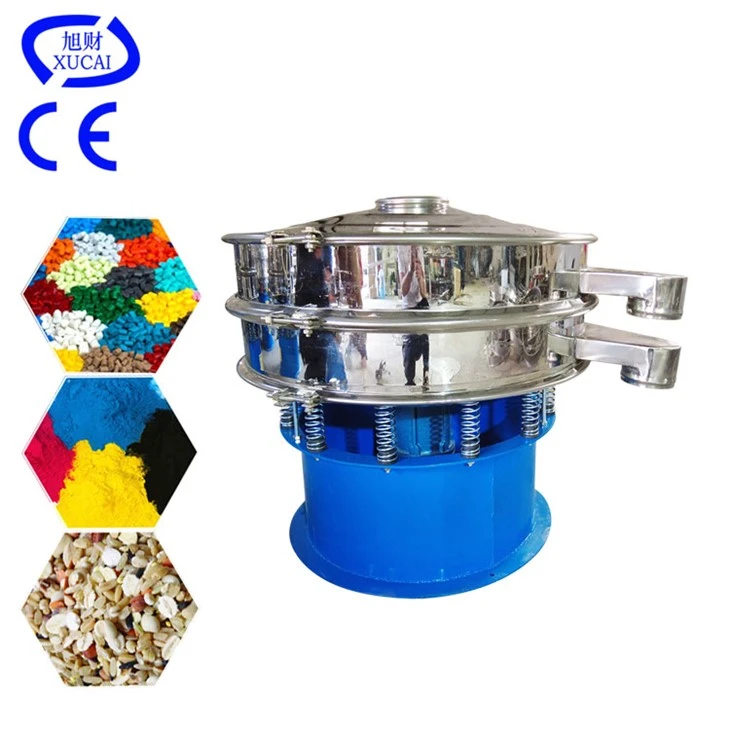

2. Powder Vibrating Sieve Machine
The Powder Vibrating Sieve Machine is commonly used for sieving powders in industries like pharmaceuticals and cosmetics. Powders can also be affected by low - temperature conditions, as they may clump together due to moisture condensation or increased static electricity. To ensure proper performance, the powder vibrating sieve machine may require additional measures such as humidity control and anti - static devices.
Conclusion
Operating a vibrating screen sieve in low - temperature environments presents several challenges, but with the right strategies, these challenges can be overcome. By addressing issues related to material viscosity, lubrication, structural integrity, and electrical components, it is possible to maintain the performance and efficiency of the machine. Whether you are using a stainless steel circular vibrating sieve or a powder vibrating sieve machine, understanding these challenges and implementing appropriate solutions is crucial for the success of your sieving operations.
If you are facing challenges with your vibrating screen sieve in low - temperature environments or are looking to purchase a new machine that can perform well in such conditions, I encourage you to reach out. Our team of experts is ready to assist you in finding the best solutions for your specific needs. Contact us to discuss your requirements and explore the possibilities of improving your sieving processes.
References
- "Industrial Vibrating Screen Handbook" - A comprehensive guide on the operation and maintenance of vibrating screen sieves.
- "Materials Science in Cold Environments" - Research on how different materials behave in low - temperature conditions.
- "Lubrication Technology for Low - Temperature Applications" - Information on the use of lubricants in cold environments.