

Hey there! As a supplier of plastic mixer machines, I often get asked a super common question: "Can a plastic mixer machine be used for powder - plastic mixing?" Well, let's dig into this topic and find out the answer.
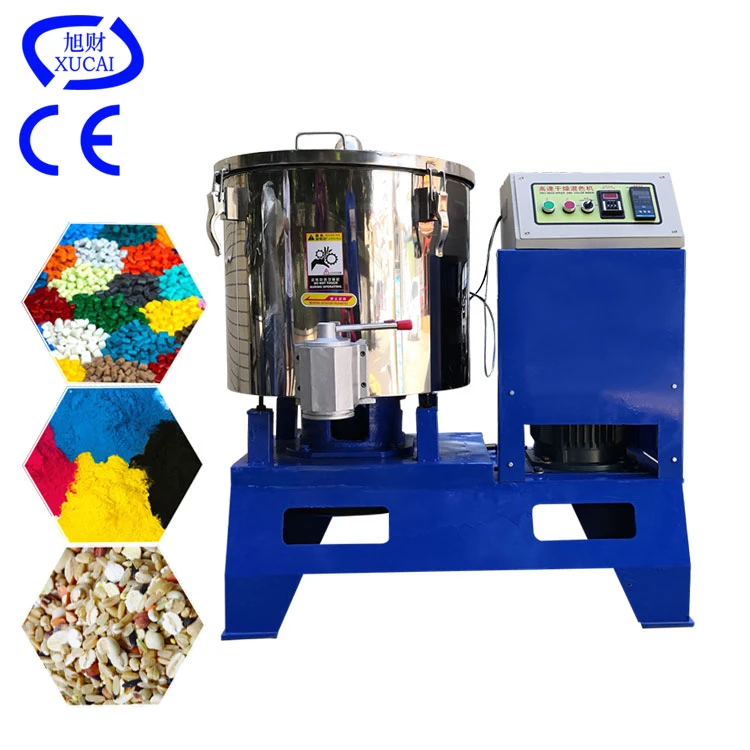
First off, let's understand what a plastic mixer machine is all about. These machines are designed to blend different materials in the plastic industry. They come in various types and sizes, each with its own set of features and capabilities. For example, we have the Plastic Colour Mixer Machine, which is mainly used for adding color to plastics. Then there's the Plastic Industry Masterbatch Color Mixer, which is great for mixing masterbatch with plastics to achieve the desired color and properties. And of course, the High Speed Plastic Mixer Drying Machine not only mixes but also dries the plastic materials at a high speed.
Now, back to the question. Can a plastic mixer machine be used for powder - plastic mixing? The short answer is yes, in most cases. But there are a few things to consider.
Compatibility of Materials
The first thing you need to think about is the compatibility of the powder and the plastic. Different plastics have different melting points, viscosities, and chemical properties. Similarly, powders can vary widely in terms of their particle size, density, and reactivity. For example, if you're trying to mix a fine powder with a high - viscosity plastic, you might need a more powerful mixer to ensure a homogeneous blend. On the other hand, if the powder is reactive with the plastic, it could cause chemical reactions that might affect the quality of the final product.
Mixing Mechanism
Plastic mixer machines use different mixing mechanisms, such as paddle mixing, screw mixing, or high - shear mixing. The choice of mixing mechanism depends on the nature of the powder and the plastic. For instance, paddle mixers are suitable for gentle mixing of powders and plastics with low to medium viscosities. They work by moving the materials in a circular motion, which helps in distributing the powder evenly throughout the plastic. Screw mixers, on the other hand, are better for high - viscosity plastics and powders. They use a screw to push the materials through the mixing chamber, providing a more intense mixing action. High - shear mixers are ideal for mixing fine powders with plastics, as they can break down agglomerates and ensure a uniform dispersion.
Capacity and Throughput
Another important factor is the capacity and throughput of the mixer. If you have a large - scale production, you'll need a mixer with a high capacity and throughput. This means that the mixer should be able to handle a large volume of powder and plastic in a short period of time. On the other hand, if you're doing small - scale experiments or production, a smaller mixer with a lower throughput might be sufficient.

Safety Considerations
When using a plastic mixer machine for powder - plastic mixing, safety is of utmost importance. Powders can be dusty, and some might be hazardous if inhaled. So, it's essential to have proper ventilation in the mixing area. Also, the mixer should be equipped with safety features such as emergency stop buttons, safety guards, and overload protection. This ensures the safety of the operators and prevents any accidents.
Examples of Successful Powder - Plastic Mixing
Let's look at some real - world examples of powder - plastic mixing using plastic mixer machines. In the automotive industry, plastic parts are often made by mixing powdered additives with plastic resins. These additives can improve the strength, durability, and heat resistance of the plastic parts. A high - speed plastic mixer drying machine can be used to mix these powders with the plastic resins efficiently. The mixer ensures that the powder is evenly distributed throughout the resin, resulting in high - quality plastic parts.
In the packaging industry, plastic films are made by mixing powdered pigments with plastic polymers. The Plastic Colour Mixer Machine is commonly used for this purpose. It can accurately control the amount of pigment added to the polymer, ensuring consistent color and quality of the plastic films.
Tips for Effective Powder - Plastic Mixing
If you're planning to use a plastic mixer machine for powder - plastic mixing, here are some tips to help you get the best results:
- Pre - blend the powder: If the powder has a tendency to agglomerate, it's a good idea to pre - blend it before adding it to the plastic. This can be done using a simple mixer or by passing the powder through a sieve.
- Control the mixing time and speed: The mixing time and speed should be adjusted according to the nature of the powder and the plastic. Too short a mixing time might result in an uneven blend, while too long a time or too high a speed could damage the materials.
- Clean the mixer regularly: After each mixing operation, it's important to clean the mixer thoroughly to prevent cross - contamination. This ensures the quality of the next batch of mixed materials.
In conclusion, a plastic mixer machine can definitely be used for powder - plastic mixing. But you need to consider factors such as material compatibility, mixing mechanism, capacity, and safety. With the right machine and proper operating procedures, you can achieve a homogeneous and high - quality blend of powder and plastic.
If you're in the market for a plastic mixer machine for powder - plastic mixing or have any questions about our products, don't hesitate to reach out. We're here to help you find the perfect solution for your specific needs. Whether you're a small - scale manufacturer or a large - scale industrial player, we've got the right mixer for you.
References
- "Plastics Processing Handbook" by O. Olabisi
- "Mixing in the Process Industries" by P. J. Middleman